

Toddler Biting
Biting is a normal part of toddler development, but it is a behavior that needs support and guidance. At Amy & Kids Co., we focus on understanding why biting happens and helping children learn kinder, safer ways to express themselves.
Understanding Toddler Biting
Biting is, unfortunately, a common behavior when children spend time together. It can be alarming, but it’s also a normal part of development for young children. At this stage, they are still learning how to express big feelings, manage impulses, and interact with others in social settings—all skills that take time and support to develop.
I know how upsetting biting can be for both children and families. Children bite for many different reasons — most of which aren’t related to behavior problems. Because of this, my approach doesn’t focus on punishment. Instead, it consists of strategies that help address the cause of the biting and support all the children involved. The following steps are taken when biting occurs:
Our Response to Biting
When biting happens, calm, consistent steps are followed to help both children feel safe and cared for. The goal is not only to address the behavior in the moment, but also to support the development of social skills over time through empathy, guidance, and positive interaction. These three steps are taken:
- Care for the child who was bitten. The child is given immediate attention. The bite area is gently cleaned with soap and water, an ice pack is offered, and the child is comforted.
- Help the child who bit learn other behavior. The child is firmly told, “It’s not OK to bite; biting hurts.” After acknowledging the child’s feelings, a choice of other activities is offered to help them move on positively.
- Address the cause of the biting. Possible triggers and needs are thoughtfully considered, and children are supported in learning safer, more appropriate ways to express themselves. If biting continues, I work with the family to identify additional strategies to support the children involved and prevent further incidents.
What We Will Never Do
When biting happens, the focus is always on safety, support, and respect for every child involved. Responses that might hurt, confuse, or make things worse are not used. Following licensing rules and early childhood best practices helps keep a trusting, positive environment for your child. Some common but unhelpful and harmful responses to biting include:
- Forcing something into a child’s mouth (such as soap or hot pepper sauce). This can frighten children and damage their trust, which is essential for their sense of safety.
- Encouraging punishment at home. Young children have limited ability to connect a punishment at home with biting that happened earlier, so this approach isn’t effective and can create confusion.
- Bribing the child not to bite. Because toddlers and young children don’t yet understand delayed rewards, bribing does not help them learn better behavior.
- Using physical punishment (such as spanking or biting the child back). Physical responses teach children that hitting or biting is acceptable and break trust, often leading to more aggression.
- Sending the child home. Removing a child from the group for a day may stop the biting temporarily but doesn’t address why the behavior is happening, so it often returns when they come back.
- Isolating the child. Keeping a child away from peers prevents immediate biting but doesn’t teach important social skills they need to interact successfully and confidently.
What Helps when Children Bite
Instead of punishment, strategies backed by research and experience are used to support children’s growth and reduce biting over time. These approaches focus on understanding each child’s needs, encouraging safe expression, and building positive social skills through respectful, responsive care.
- Careful observation. Close attention is paid to when, where, and why biting occurs. When patterns, emotional triggers, and stress signals are identified, stepping in early helps prevent biting before it happens.
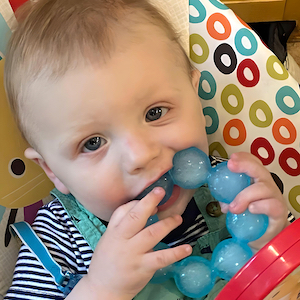
- Relieving teething pain. Because teething can cause discomfort and lead to biting, safe, clean items like teething toys or chilled cloths are provided, and families are asked to share soothing strategies that work at home.
- Modeling positive behavior. Calm, respectful ways to express feelings and solve problems are demonstrated regularly. Children learn by watching these examples and practicing with guidance.
- Offering choices. Children are offered simple choices between acceptable options to help them feel capable and in control, reducing frustration that can lead to biting.
- Giving positive attention. Appropriate behavior is noticed and encouraged, especially in children who are struggling. This builds confidence and lessens the need for attention-seeking through negative behavior.
- Shadowing the child. If biting continues after other strategies have been tried, close one-on-one supervision is used to gently redirect or prevent biting before it happens. This intensive approach isn’t ideal and may not lead to lasting change unless the root causes are addressed.
These methods also work well for other challenging behaviors such as hitting, kicking, hair pulling, and pinching. When families use these strategies at home, it helps reinforce what children are learning here and supports consistent, positive growth both at home and child care.
Positive Guidance
Respectful guidance and consistent support help toddlers build social skills and learn boundaries. Discover how we encourage positive behavior in our daily routines.