

Infant Safe Sleep Policy
Providing infants with a safe and nurturing place to grow is very important to me. This includes making sure that babies are safe when they’re sleeping. Our safe sleep practices follow state licensing requirements and current safe sleep recommendations.
Safe Sleep Practices
Safe sleep practices help reduce the risk of Sudden Infant Death Syndrome (SIDS) and other sleep-related infant deaths. I follow the recommendations of the American Academy of Pediatrics (AAP) and the Consumer Product Safety Commission (CPSC) to help keep infants safe while sleeping.
- Sleep Environment Infants sleep in their own mesh-sided pack-n-play crib with a firm, tight-fitting mattress and fitted sheet. Loose bedding, toys, pillows, and other soft objects are not allowed in the crib. Blankets are not used; families may provide an appropriate sleep sack or other sleep garment.
- Pacifiers Pacifiers are offered at nap time according to family preference and are not reinserted once an infant is asleep.
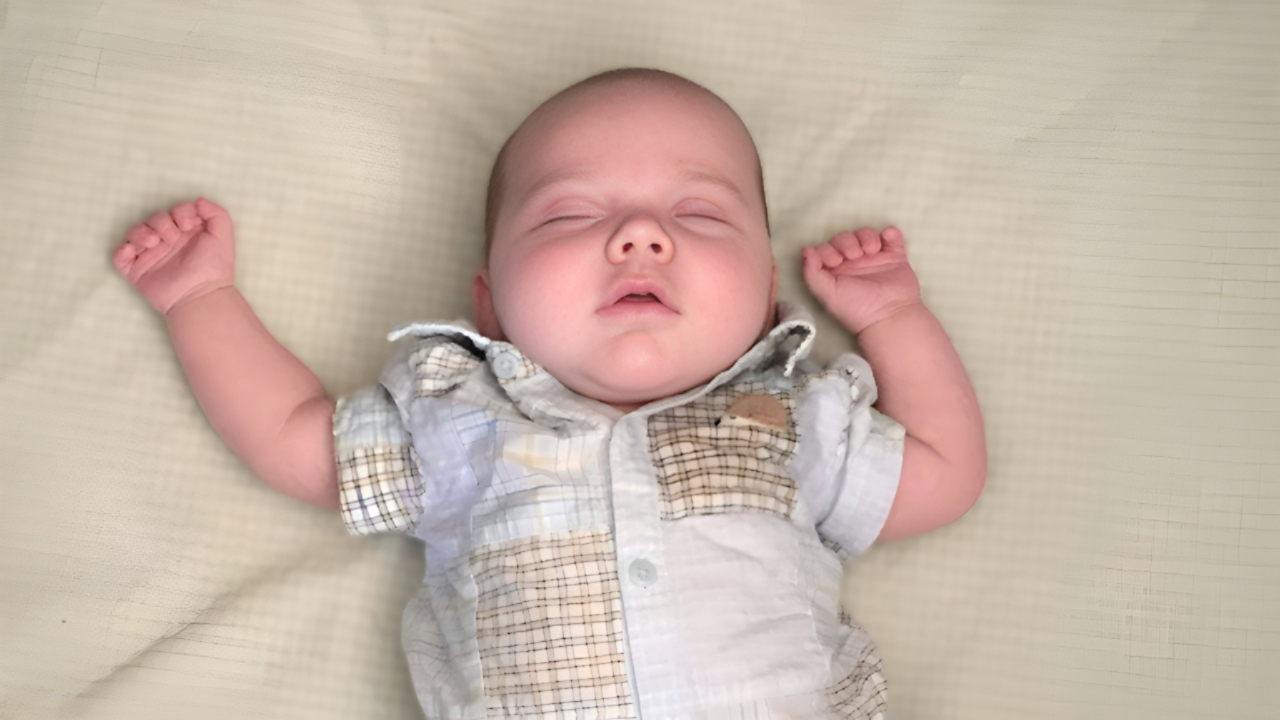
- Sleep Position Infants are always placed on their backs to sleep unless a current, doctor-signed sleep position waiver is on file. Once infants can roll over on their own, they will continue to be placed on their backs but may remain in their preferred position after rolling. Wedges and other positioning devices are not used.
- Supervision All caregivers are trained in safe sleep practices. Infants remain within the caregiver's sight or sound while in their crib, and sleeping infants are checked regularly.
Safe Sleep at Home
Families are encouraged to follow the same safe sleep practices at home to reduce the risk of SIDS and ease their infants’ transition to child care.
Infant Care
Leaving your precious baby in the care of another person is difficult; who can you trust to look after your child? I understand how important it is to trust the person caring for your child, and I take that responsibility seriously.