

Why Choose Family Child Care?
Choosing child care is a big decision, and many families are looking for something more personal than a large center. Family child care offers a smaller, home-based setting where children can build strong relationships, feel comfortable, and be part of a consistent daily rhythm.

What is Family Child Care?
Family child care, also known as in-home child care, is offered by an individual in a home setting. Most often care is provided in the provider's own home, although some states do not require family child care centers to be located in a residence.
Family child care programs generally care for a smaller number of children than group centers; however, the total number of children allowed varies from state to state. In Wisconsin, family child care providers may care for no more than eight children total, including the provider’s own children under seven years old.
Many family child care programs offer a balance of professional care and a home-like environment that can be a good fit for young children, especially for families looking for a smaller, more personal setting.
What Family Child Care is Not
Family child care is sometimes confused with casual babysitting, but licensed and certified providers operate as professional early childhood programs. They follow state regulations, complete ongoing training, and build long-term relationships with the children and families they serve.
In Wisconsin, regulated providers meet specific health, safety, and training requirements designed to support quality care.
Why Choose a Family Child Care Center?
There are many reasons why parents choose family child care over a group center. Here are just a few – in no particular order:
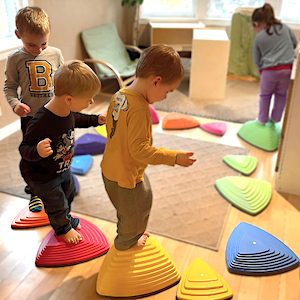
- Environment: The familiar home-based environment provides an easy transition from a child's own home to child care. Instead of an institutional, school-type setting, children spend their day in the warmth and comfort of a home away from home.
- Attachment: Children in family child care often build a close relationship with one consistent caregiver over several years. In larger settings, children may interact with multiple teachers throughout the day.
- Mixed Ages: Children in a family child care center benefit from the mixed-age group. Siblings can be together all day, while children without siblings can experience the joys of having older and younger "brothers and sisters."
- Low Group Size: Family child care programs generally care for small groups of children, which provides a calmer atmosphere and allows for each child to receive lots of individualized attention from the provider. In addition, a small group size may reduce children's exposure to germs and illness.
- Convenience: Although quality care is worth driving across town for, many parents find good family child care near their homes. Some family child care programs offer flexible scheduling options like second or third shift, overnight, and weekend care.
- Support: Family child care providers can be a great source of support for enrolled families. Many families find that their child care program becomes an important part of their support system.
Requirements for Family Child Care

Regulations vary from state to state. Some states allow unregulated care while others require regulation for anyone who cares for a non-related child. Check with your state's child care licensing agency to see what the requirements are in your area.
Wisconsin offers two types of regulation for family child care centers:
- State Licensing is required for providers who care for four or more children under the age of seven that are not related to the provider.
- County Certification is a voluntary form of regulation for family child care centers that are not required to be licensed but wish to enroll families who receive child care subsidies.
Regulated providers follow state guidelines for health, safety, and training, helping families feel confident in the care their children receive.
How to Find Quality Family Child Care
Finding the right family child care provider for your family can take time, but there are many strong programs to choose from. Look for things like consistent caregivers, small group size, and an environment where your child feels comfortable and engaged. It’s worth taking the time to explore these options.
Most states have a Child Care Resource and Referral agency to help families find child care that meets their needs. You may also be able to find potential family child care programs through your state child care licensing bureau or through an online search.